Science needs creativity - LNF26 at the OCG
Spray painting in virtual space, solving puzzles with the computer science beaver, experiencing robots up close, interacting with an "embodied AI" or training an AI model - this and much more was on offer at the Long Night of Research on Friday, April 24, 2026.The event was part of the OCG program. Around 430 visitors came to the premises of the Austrian Computer Society in the heart of Vienna.
Lots of creativity with AI and the like.
At the interactive InterSTEAM Creative Tech Lab: The Art of Artificial Intelligence station , guests used algorithms to create their own digital artworks, exciting stories, videos, and music. At the Understanding & Prompting AI: How Machines Learn station , curious visitors could train an AI model to distinguish between cats and dogs. The station clearly explained how machines learn from examples and the role of so-called "features"—characteristics that an AI uses for differentiation.
This year, the interactive exhibit "Uncanny Valley: When Robots Appear Uncanny" was particularly popular, and it required no digital technology whatsoever. There, the focus was on which aesthetic features make a robot likeable and which make it unsettling. Using 3D-printed templates, visitors combined various facial and body features and explored through drawing how the proportions and shape of robots influence our feelings.
Digital technologies can expand creative forms of expression and create new, safe learning environments for art, experimentation, and playful exploration. This was demonstrated at the Virtual Graffiti station: Spraying without a spray can . Using virtual reality, everyone who managed to secure a slot for the VR experience could unleash their creativity as sprayers in a virtual space. Everything that happened in VR was also displayed on a screen in real life.
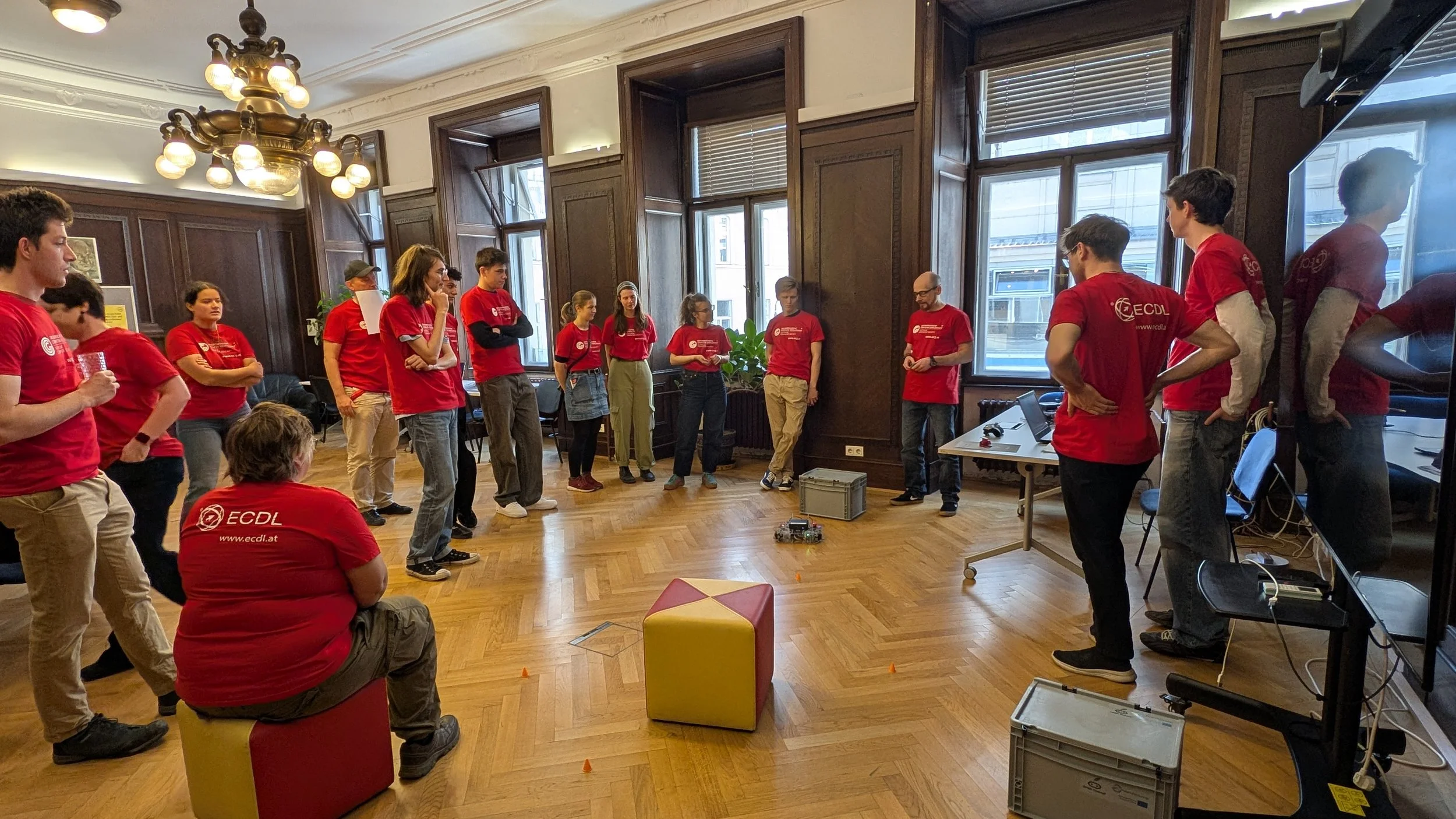
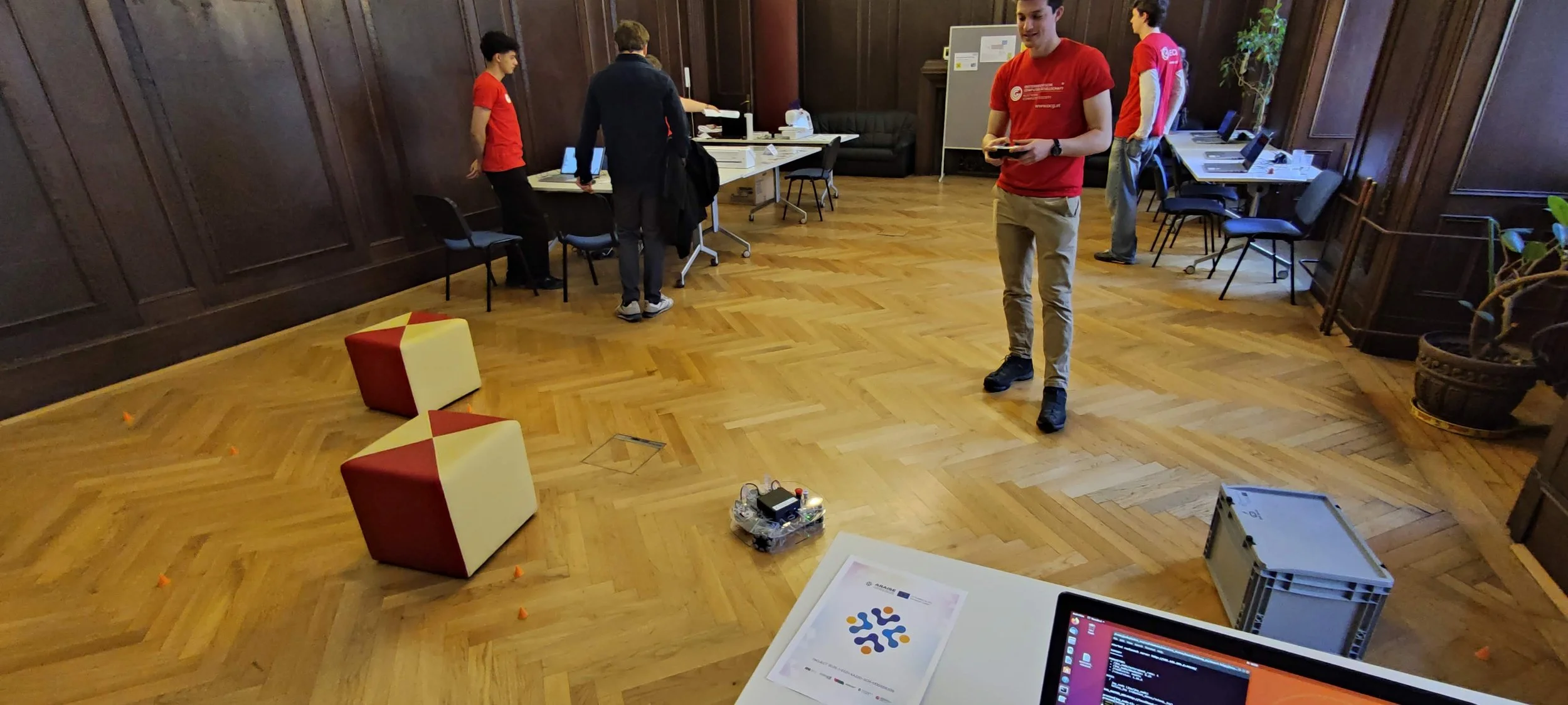
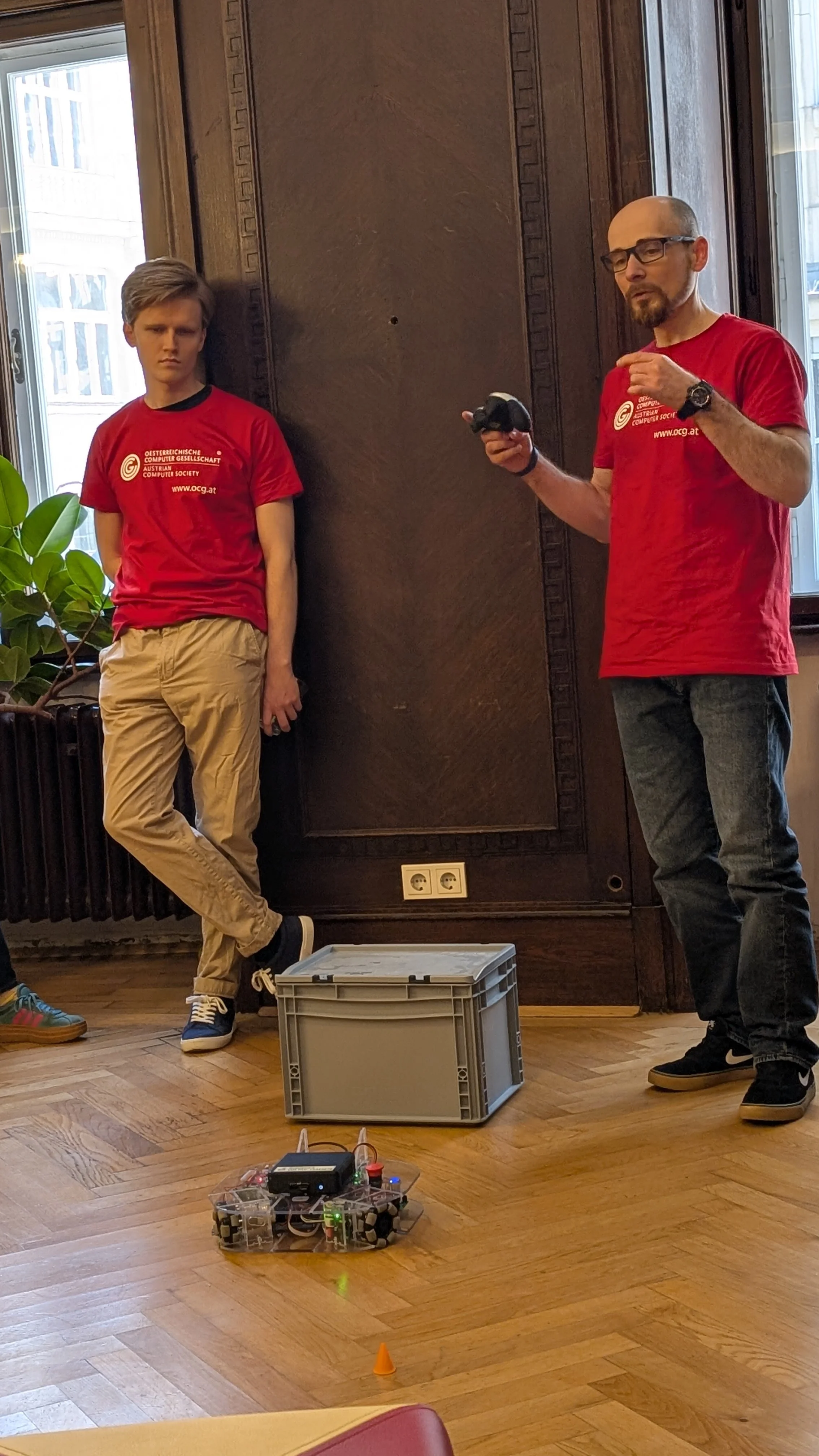
A real robot played the starring role at the "Interaction with an Embodied AI" station. Visitors experienced the physical embodiment of AI up close: the Robotont – a robot built as part of the EU project ARAISE. It makes intelligent systems understandable through sensors and movement in space. Interested guests controlled the robot through an obstacle course using gesture control and a gamepad.